Driverless Cars Are Coming: Waymo Begins Baltimore Rollout
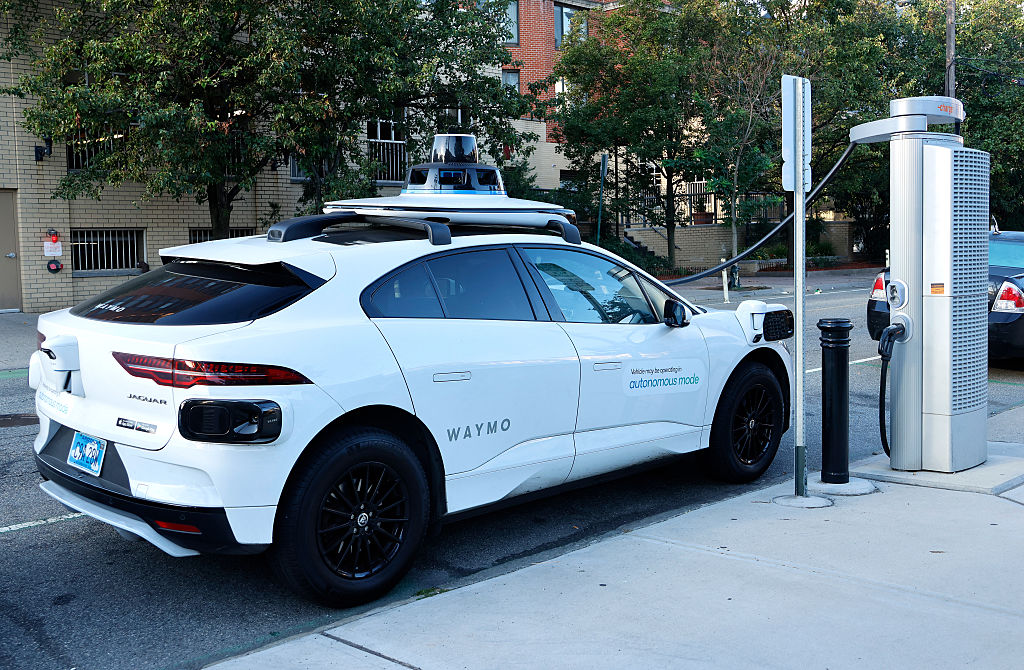
Baltimore is officially joining the growing list of U.S. cities preparing to welcome autonomous ride-hailing service Waymo to its streets.
Waymo, a subsidiary of Google’s parent company Alphabet, will begin manual driving tests in Baltimore this week as part of a phased rollout. The early stage will feature trained drivers operating the vehicles entirely by hand. From there, the company will transition into supervised autonomous testing with specialists inside the cars before eventually offering fully driverless rides at a later, unannounced date.
Gov. Wes Moore praised the move as an important step for Maryland’s innovation economy. “Maryland has a long, proud tradition of embracing innovation and driving discovery,” Moore said Wednesday. “This new partnership with Waymo marks the next chapter in that story and will help spur growth, make our roads safer, and get more Marylanders from where they live to where opportunity lies.”
Waymo already operates driverless services in San Francisco, Los Angeles, Austin, Phoenix and Atlanta, and is testing in several other major markets, including New York and Philadelphia. Baltimore is one of 20 additional cities in the company’s expansion plans, along with Pittsburgh, Miami, Washington, D.C., Seattle, Dallas, Las Vegas, Nashville, Houston, Detroit and several international markets such as London and Tokyo.
The company emphasized that community outreach will be central to its Baltimore deployment. “As we do in all of our cities, we will engage the community, first responders, and local and state officials to ensure a safe and successful deployment of our technology,” Waymo said in a statement.
Waymo’s rapid growth has not come without scrutiny. In recent months, a self-driving vehicle was recorded passing a stopped school bus with its lights activated near Atlanta, and police in the San Francisco Bay Area pulled over a Waymo for making an illegal U-turn. Still, the company points to its internal safety data, which shows its autonomous vehicles involved in 91 percent fewer serious injury crashes and 92 percent fewer pedestrian-injury crashes compared to human drivers.