Permanent Daylight Saving Time Could Change Baltimore Winter Sunlight
Permanent Daylight Saving Time Could Bring Darker Winter Mornings to Baltimore
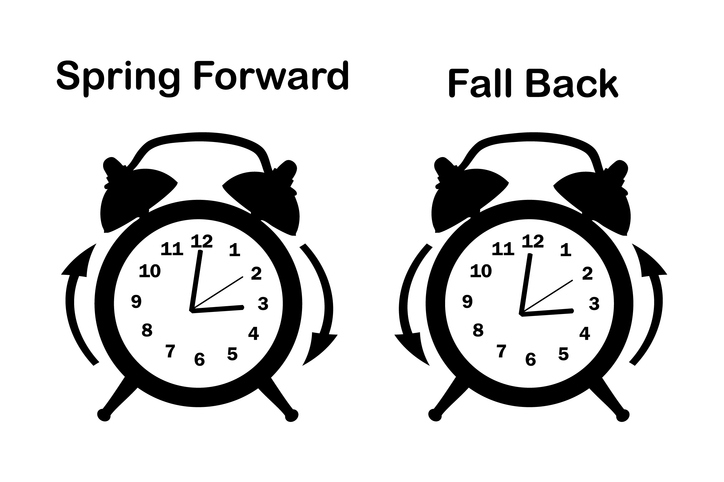
Baltimore residents could eventually stop changing their clocks twice a year under federal legislation that would make daylight saving time permanent across most of the country.
The U.S. House of Representatives passed the Sunshine Protection Act on July 14 in a bipartisan 308-117 vote. The proposal must still pass the Senate and receive President Donald Trump’s signature before becoming law. The Senate has not yet approved the bill, and its path forward remains uncertain.
Should the measure become law, Maryland would likely remain on daylight saving time throughout the year. That would eliminate the traditional “spring forward” and “fall back” clock changes.
For Baltimore, permanent daylight saving time would not create additional daylight. Instead, it would shift an hour of sunlight from the morning to the evening during the winter.
On Dec. 1, Baltimore currently experiences sunrise at approximately 7:07 a.m. and sunset around 4:44 p.m. Under permanent daylight saving time, sunrise would move to about 8:07 a.m., while sunset would occur around 5:44 p.m.
Around the winter solstice in late December, sunrise would shift from approximately 7:23 a.m. to 8:23 a.m. Sunset would move from about 4:47 p.m. to 5:47 p.m.
The latest winter sunrises would arrive in early January. On Jan. 1, sunrise would move from approximately 7:26 a.m. to 8:26 a.m., while sunset would shift from 4:54 p.m. to 5:54 p.m.
By Feb. 1, Baltimore would see sunrise around 8:14 a.m. and sunset around 6:27 p.m., rather than the current standard-time schedule of approximately 7:14 a.m. and 5:27 p.m.
Supporters argue that longer evenings could benefit restaurants, retailers, tourism and outdoor activities. Opponents are concerned that later winter sunrises would force students, commuters and early-morning workers to travel before daylight.
The United States briefly experimented with year-round daylight saving time in 1974, but Congress reversed the change following widespread complaints about dark winter mornings.
Permanent Daylight Saving Time Could Bring Darker Winter Mornings to Baltimore was originally published on 92q.com